

Main Office
Southfield Office
Shea Law, PLLC26100 American Drive, Suite 200
Southfield, Michigan 48034(248) 595-0185
Can't make it in? Remote consultations available via Zoom, Teams, and more.
Protect your family and assets with a clear, customized plan. Avoid court, provide for the people you love, and give your family real peace of mind. Most plans are complete in just two sessions.
Free consultation · No pressure · Serving All of Michigan


Don't Wait
Most Michigan families delay estate planning because it feels complicated or far off. But estate planning is not just for the wealthy. If you own a home, have a retirement account, or have children, you have things worth protecting. The cost of inaction can be measured in time, money, and conflict that your family will have to absorb without you.
Without a will, Michigan's intestate succession laws determine where your property goes. The outcome may be nothing like what you would have chosen.
Without a named guardian in your will, a court makes that decision. It may not be the person you would have trusted with that responsibility.
Without a trust, your assets are frozen while the court process plays out. Your family cannot access what they need during one of the hardest periods of their lives.
Without a healthcare directive, medical decisions fall to providers and courts, not to the person you trust most to speak for you.
All of this is avoidable. Most Michigan families are fully protected in just two sessions.
Estate Planning 101
Understanding what estate planning actually covers, and what happens without it, is the most important first step.
Estate planning is not just for the wealthy. If you own a home, have a retirement account, or have children, you have things worth protecting. The peace of mind that comes from knowing your family is taken care of is something no amount of money can replace.
Estate planning is the process of deciding what happens to your home, savings, and belongings when you pass away, and what happens while you are still alive but unable to act. A complete plan addresses who manages your finances during incapacity, who makes medical decisions on your behalf, and who takes care of your children if something happens to you. It is not just a document for death. It is a legal framework for every major life contingency.
A basic will is a starting point, but in Michigan, a will alone still requires probate, a public process that typically takes 12 to 18 months and generates $3,000 to $15,000 or more in legal fees. A full estate plan built around a revocable living trust avoids probate entirely, keeps your affairs private, and gives your family a much faster, smoother process when the time comes.
Middle-class families are often hurt most by not having a plan, because court costs represent a much larger percentage of a modest estate. A $300,000 home going through court could cost your family $10,000–$24,000 and 12–18 months of waiting. That is far more than the cost of a complete estate plan. The reality is that inaction is not a neutral choice. It is a decision with consequences your family will be left to absorb.
Free consultation · No pressure · Most plans complete in two sessions
Your family's plan starts with one call.
2-Minute Quiz · Free
This is the question we hear most often. In Michigan, a will puts your family through a court process that can take 12 to 18 months, costs thousands in fees, and makes your financial details public. A trust skips all of it. Answer a few quick questions and find out which makes sense for your family.
Take the Free Quiz →Taken by thousands of Michigan families


Wills & Living Trusts
Michigan's most essential estate planning documents. A last will and testament controls who inherits your assets and who raises your children. A revocable living trust bypasses probate entirely, keeping your estate private and your assets accessible to your family without delay.

Real Estate & Property Transfer
Transfer your home or real estate into a trust or directly to family members, avoiding probate, title disputes, and Medicaid estate recovery. Proper deed planning is one of the highest-value steps in any Michigan estate plan, protecting the assets most families spend a lifetime building.

Financial Protection
A durable financial power of attorney names someone you trust to manage your bank accounts, pay bills, and handle legal and real estate matters if you become incapacitated. Without one, your family must petition a Michigan court, a slow and costly process, just to help you.

Medical Directives
Designate a trusted person to make medical decisions on your behalf and put your end-of-life wishes in writing. Michigan hospitals and physicians are legally required to follow your healthcare directive, removing these impossible decisions from your family during their most vulnerable moments.
What You Get
Every estate plan is prepared by a licensed Michigan estate planning attorney and includes all of the following documents.
The foundation of your estate plan. Holds your assets during your lifetime and transfers them directly to your beneficiaries after death, without probate court, long delays, or public filings. You stay in full control and can update it at any time.
Learn moreWorks alongside your trust to catch any assets not already inside it, and formally names a guardian for your minor children. Every complete estate plan includes one.
Learn moreNames the person you trust to manage your finances if you become incapacitated. Without it, your family may have to petition a Michigan court for that authority. It is a costly, stressful process that can take months.
Learn moreDesignates who can make medical decisions on your behalf if you cannot. This also applies to adult children the moment they turn 18. Without one, you have no legal right to help in a medical emergency.
Learn moreAllows your chosen representatives to access your medical information in an emergency or during incapacitation. Often overlooked, always essential.
Learn moreA summary document that proves your trust exists and identifies your trustee's authority without revealing the full private details of the trust. Banks, title companies, and financial institutions require this when you fund your trust or conduct transactions on its behalf.
Learn morePlans start at $3,000 · Full quote provided during your free consultation · No obligation
Your family's plan starts with one call.
Pricing
One of the biggest reasons people put off estate planning is the assumption that it will be expensive. The truth is that a complete estate plan is almost always far less costly than what your family would pay to go through court without one.
Complete Estate Plan
Full quote provided at your free consultation. No obligation.
Court Without a Plan
Plus 12–18 months of delays and everything made public record.
On a $400,000 estate, this process can cost $12,000–$32,000 in fees before your family receives a dollar.
No. Estate planning is about protecting what you have, regardless of size. If you own a home, have a retirement account, or have children, you have a reason to plan. Most of our clients have modest to moderate estates, and the peace of mind is the same at every level. Middle-class families are often hurt most by not having a plan, because court costs represent a much larger percentage of a modest estate.
A revocable living trust is included as part of a complete estate plan at Shea Law. Plans start at $3,000 and are quoted individually based on your specific situation during your free consultation. You'll know the exact cost before you commit to anything.
Online document services charge low fees because they sell templates, not legal advice. Common problems include documents that weren't signed or witnessed correctly under Michigan law, trusts that were never properly funded (so the estate still goes through court anyway), and plans that don't account for your actual family situation. The real risk shows up after you're gone — when it's too late to fix anything. This court process typically runs $3,000 to $15,000, takes 12 to 18 months, and makes your financial details public record. An attorney-drafted plan from Shea Law starts at $3,000, includes a free consultation, and is backed by attorneys who have drafted over 50,000 Michigan estate plans.
Michigan's intestacy laws decide who gets your assets, and those decisions may not match your wishes. A surviving spouse does not automatically inherit everything if you have children from a prior relationship. Your family will also be required to go through this court process, which is public, slow, and expensive. Without a plan, a judge decides who raises your minor children. The cost of not planning is almost always higher than the cost of doing it right.
Why Shea Law
Shea Law has been drafting estate plans for Michigan families for 25+ years. That experience means our attorneys have seen virtually every family situation and know exactly how to handle yours.
Our clients speak for us. With more than 1,200 verified reviews and a perfect 5.0-star rating, Shea Law has built a reputation across Michigan for being thorough, affordable, and genuinely easy to work with.
Most firms stop at signing. We make sure your trust is properly funded and that your assets are titled correctly. That's what makes the plan actually work.
In-person consultations available across Michigan. Virtual sessions available statewide.
Ann Arbor · Bay City · Canton · Clinton Township · Davison · Grandville · Kalamazoo · Marquette · Midland · Okemos · Romeo · Saginaw · Sault Ste. Marie · Southfield · Taylor · Tecumseh · Traverse City
Your family's plan starts with one call.
Estate Planning for Your Situation
Your family's needs are unique. Here is what is at stake and how the right plan protects the people who matter most.
Young Families & New Parents
Without a plan, a Michigan court decides who raises your kids. Not you. A trust also protects their inheritance: a will alone hands everything to your children at 18. A trust lets you set distributions at ages that actually make sense.
Blended Families & Second Marriages
Without a properly structured plan, assets meant for your children could pass to a surviving spouse's estate and then to their heirs, bypassing your kids entirely. A customized plan ensures every child receives exactly what you intend.
Parents of Adult Children
The moment your child turns 18, you have no legal authority to make medical or financial decisions on their behalf, even in an emergency. A healthcare and financial power of attorney for your adult child restores that authority in under an hour.
Special Needs Dependents
Leaving a loved one with a disability a direct inheritance can disqualify them from SSI or Medicaid. A special needs trust lets you provide for them financially without affecting their eligibility. A standard will is not sufficient.
Business Owners
A plan for business owners includes succession planning, ownership transfer, and coordination with your personal estate, protecting both your family and your business partners when you are no longer able to run it.
Aging Parents
When a parent becomes incapacitated without a plan in place, their adult children must petition a Michigan court for guardianship, a process that is expensive, public, and painful. Getting a plan in place while your parent can still sign one takes two sessions and protects the whole family.
Free consultation · No pressure · Most plans complete in two sessions
Why It Matters
When someone passes with just a will or no plan at all, their estate is handed over to a court-supervised process that can take over a year, cost thousands in fees, and make your financial details public record. Most families have no idea it is coming.
Here is what this process actually means for your family:
The Alternative
Assets held in trust transfer directly to your beneficiaries. No court, no public record, no waiting. Your family receives what you intended, quickly and privately. For most Michigan families, avoiding probate is the single biggest reason to go beyond a basic will.
Book a ConsultationYour family's plan starts with one call.
How It Works
We keep the process simple and supportive from the first conversation. No commitment, no pressure, no legal jargon. Here is what it looks like from start to finish.
We start by listening. You tell us about your family, your assets, and your goals. No pressure, no jargon. Just a straightforward conversation to understand what you need and how we can help.
We draft a complete estate plan tailored to your situation: wills, trusts, powers of attorney, and healthcare directives. We walk you through every document before you sign anything, in plain language.
You sign your documents in our office or via remote signing, whichever works for you. We handle the funding step to make sure everything is properly in place. Your family is protected.
This done-for-you approach is why tens of thousands of Michigan families trust us with their plans. At Shea Law, we focus on practical documents that actually work when your family needs them, ensuring the plan delivers on its promises instead of creating new problems later.
Most families complete their estate plan in just two sessions.
Client Reviews
We had a great experience with Andrew . He was professional, knowledgeable, and very helpful throughout the entire process. Communication was exce...
It was a pleasure working with Ben Asp from Shea Law. He was easy to talk to, non-judgmental and thorough. We could tell he had experience creating...
I had an excellent experience working with Bonnie. She took the time to explain every step of the process, answered all of my questions clearly, an...
We had an excellent experience with Shea Law Firm while preparing our will and trust documents. The entire Team was professional, responsive, and ...
We had our family trust created by Shea Law Firm about five years ago, and recently returned to have it updated. Once again, the experience was out...
Common Questions
In Michigan, a will by itself requires probate, a court-supervised process that takes 12 to 18 months and makes your financial details public record. A full estate plan built around a revocable living trust avoids probate entirely, keeps your affairs private, covers incapacity during your lifetime, and gives your family far more protection than a will alone. For most Michigan families who own a home or have children, a complete plan is the right answer. A simple will is better than nothing, but it is not a complete plan.
The most important difference is one word: probate. A will is a set of instructions for a court judge. It does not keep your family out of court. It just tells the court what you want. A living trust, by contrast, is a private legal structure that owns your assets during your lifetime and transfers them directly to your family after death, with no court involvement. For most Michigan families who own a home or have children, a living trust provides significantly more protection than a will alone.
A will is better than nothing, but it does not avoid probate. That is one of the most common misconceptions in estate planning. A will is literally a probate document: it only takes effect by being filed with the court. Your family still has to go through a court-supervised process that can take 12–18 months and cost 3–8% of your estate's value. A living trust bypasses probate entirely, so your family receives assets quickly, privately, and without legal fees.
Probate is the court-supervised process of distributing your estate after you die. In Michigan, it takes a minimum of 7 months and typically runs 12–18 months when anything is disputed. It costs 3–8% of your gross estate in attorney fees, court costs, executor fees, and appraisal costs. On a $400,000 estate, that's $12,000–$32,000 paid to the court system before your family receives anything. And everything filed in court, including your assets and who received them, becomes a public record. A properly funded living trust eliminates all of it.
No. With a revocable living trust, you serve as your own trustee while you're alive. You manage your assets exactly as you do today. The trust is invisible in daily life. You can change it, add assets to it, or dissolve it at any time. You only lose control of a trust if you choose an irrevocable structure, which is a different tool used for specific situations like Medicaid planning. The trusts most families need keep you fully in control.
Estate plans with Shea Law start at $3,000, and we explain the full cost during your free consultation before you commit to anything. Compare that to the court process, which costs $12,000–$32,000 or more on a mid-size Michigan estate. Most families find the trust pays for itself many times over, and the savings your family keeps is only part of the value. The months of court delays and the public exposure of your estate are costs that can't be measured in dollars.
Yes. When you have a trust, you also need a simple "pour-over will" as a safety net. If you forget to transfer an asset into your trust, the pour-over will catches it and sends it there at death. You still need a will to name a guardian for minor children, too. But the trust does the heavy lifting: it's the document that keeps your family out of court. Think of the will as the backup, and the trust as the plan.
Michigan's intestacy laws take over, and the outcome may not be what you would have chosen. A surviving spouse doesn't automatically inherit everything if you have children from a prior relationship. The state distributes your assets according to a fixed formula, regardless of your intentions. Your estate still goes through this court process, a guardian for your minor children is appointed by a judge rather than chosen by you, and the process plays out publicly. Dying without a plan doesn't simplify things for your family. It complicates them.
Estate planning isn't only about death. It is equally about incapacity. A car accident, stroke, or sudden illness can leave your family unable to access your accounts, pay your bills, or make medical decisions on your behalf without going to court first. A living trust with a durable power of attorney and healthcare directive gives your family immediate authority in exactly those situations. The best time to put a plan in place is before you need it, not after.
This is one of the most damaging myths in estate planning. If you own a home, have a bank account, or have children, you need a plan. Period. In fact, middle-class families are often hurt the most by not having one, because court costs represent a much larger percentage of a modest estate. A $300,000 home going through court could cost your family $10,000–$24,000 and 12–18 months of waiting. A living trust protects what you've worked a lifetime to build, regardless of the dollar amount.
An online will still ends up in court. That is the core problem it does not solve. Beyond that, generic templates can't account for Michigan's specific legal requirements, your family's actual situation, or the critical step of funding a trust (transferring your assets into it). A trust that isn't properly funded sends your assets back through court anyway. A licensed Michigan estate planning attorney ensures the documents are valid, the trust is funded correctly, and your family is actually protected, not just paperwork-compliant.
Potentially yes, but timing is everything. Michigan Medicaid has a five-year look-back period, meaning asset transfers made within five years of applying for benefits can be counted against you. Certain irrevocable trust structures, deed strategies, and asset titling approaches can help shield your home when planned well in advance. This is one of the most important conversations to have before you need long-term care, not after.
Significantly. Blended families are one of the most common situations where a will alone falls dangerously short. Without a properly structured trust, assets intended for your children could pass to a surviving spouse's estate and then to their heirs, completely bypassing your kids. A living trust lets you control exactly what each person receives and when, protecting every branch of your family with legal precision that a will simply can't provide.
Most families complete their entire estate plan in two sessions and two to three weeks. The first is a free consultation where we review your situation and explain your options. We then draft everything: your trust, pour-over will, powers of attorney, and healthcare directive. The second session is your signing meeting. We handle everything in between, including guidance on funding your trust so your assets are properly protected.
Yes, and sooner rather than later. Estate planning laws vary significantly by state, and documents drafted elsewhere may not be fully valid or effective under Michigan law. Powers of attorney are especially state-specific: Michigan hospitals and financial institutions may refuse to honor an out-of-state document. If your plan includes a trust, it should also be reviewed to ensure it's properly structured for Michigan property laws. A short review with one of our attorneys can confirm what still holds up and what needs to be updated.
A revocable living trust is a legal document that holds your assets during your lifetime and transfers them to your beneficiaries when you pass, without going through court. You maintain full control of everything in the trust while you are alive and can update or revoke it at any time. When you pass, your named trustee distributes assets according to your instructions, privately and efficiently, with no court involvement.
A durable power of attorney is a legal document naming the person you trust to manage your finances if you become incapacitated. Without one, your family would have to go to court to obtain that authority. This process, called guardianship, that is expensive, time-consuming, and stressful. A durable power of attorney is included in every complete estate plan we prepare.
We will review whatever you already have during your free consultation at no charge. Laws change, family situations change, and what made sense 10 years ago may no longer reflect your wishes or protect your family the way you think it does. If your plan is still solid, we will tell you. If it needs updating, we will explain exactly why and what it would take.
In Michigan specifically, a will requires probate, a court-supervised process that is public, slow, and costly. A living trust avoids probate entirely and transfers assets directly to your beneficiaries. The differences are significant: this court process in Michigan takes a minimum of 7 months and typically runs 12 to 18 months, costs $3,000 to $15,000 or more in attorney and court fees, and makes every asset and beneficiary a matter of public record. A properly funded living trust eliminates all of it.
A lady bird deed (also called an enhanced life estate deed) is a Michigan-specific tool that allows you to transfer real estate directly to a beneficiary upon your death without going through court, while retaining full control of the property during your lifetime. You can sell it, mortgage it, or change the beneficiary at any time. It is often used as part of a complete estate plan for homeowners, and it can have Medicaid planning advantages as well. Your attorney will help you determine whether it fits your situation.
A standard revocable living trust does not protect assets from Medicaid. Because you retain full control of a revocable trust, Medicaid counts those assets as yours. If Medicaid asset protection is a concern, your attorney may recommend an irrevocable trust or a Medicaid asset protection trust, which works differently and has specific rules around timing. Michigan has a five-year look-back period. This is one of the most important conversations to have before you need long-term care, not after. We address it directly during your free consultation.
Yes. A revocable living trust is designed to be updated over time. Life changes, including marriages, divorces, births, deaths, and new assets, and your plan should change with it. Most of our clients update their plans after major life events. We make that process straightforward, and we remain available for updates long after the initial plan is complete.
Our Locations
17 Michigan locations: Wayne, Oakland & Macomb Counties. Remote consultations available.
Main Office
Serving estate planning clients in Southfield, Detroit, Troy, Sterling Heights, Warren, Dearborn, Livonia, Farmington Hills, Bloomfield Hills, West Bloomfield, Clinton Township, Ann Arbor, and communities throughout Wayne, Oakland & Macomb Counties.
View All 17 Michigan Locations →Awards & Recognition





Free Resources
A will is better than nothing, but it is not enough. Start here: free tools to help you understand your options before your consultation.
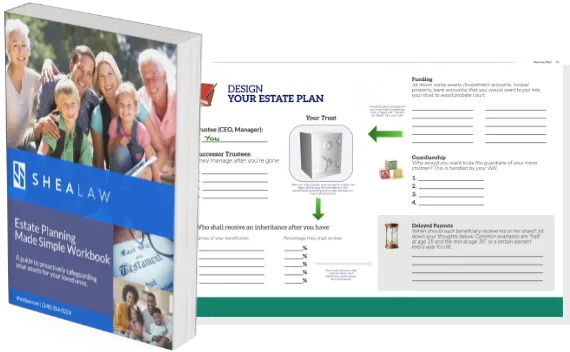
Free Download
Our 40-page guide walks you through every decision you'll need to make before meeting with an attorney.
2-Minute Quiz · Free
Answer a few quick questions about your family and finances and get a personalized recommendation for your estate plan.
Free Video Series
Short plain-language videos covering everything you need to know before your consultation.


